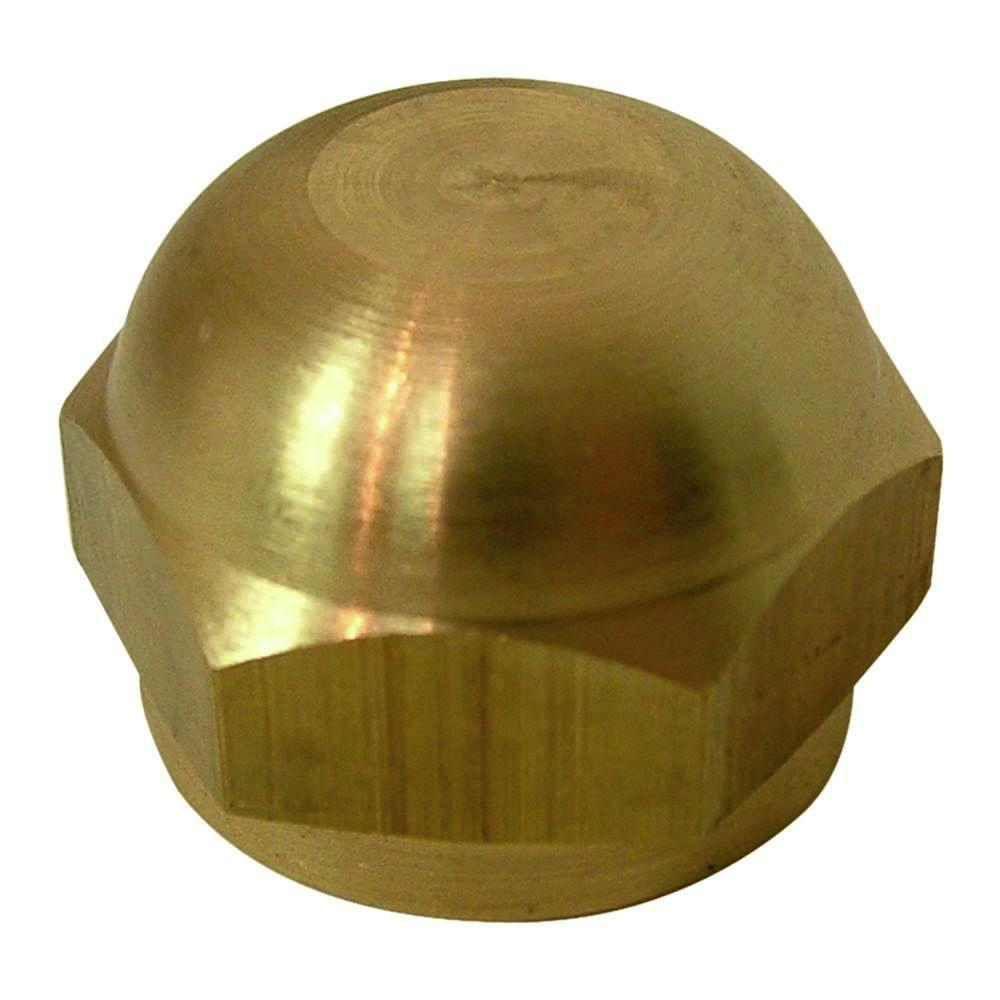
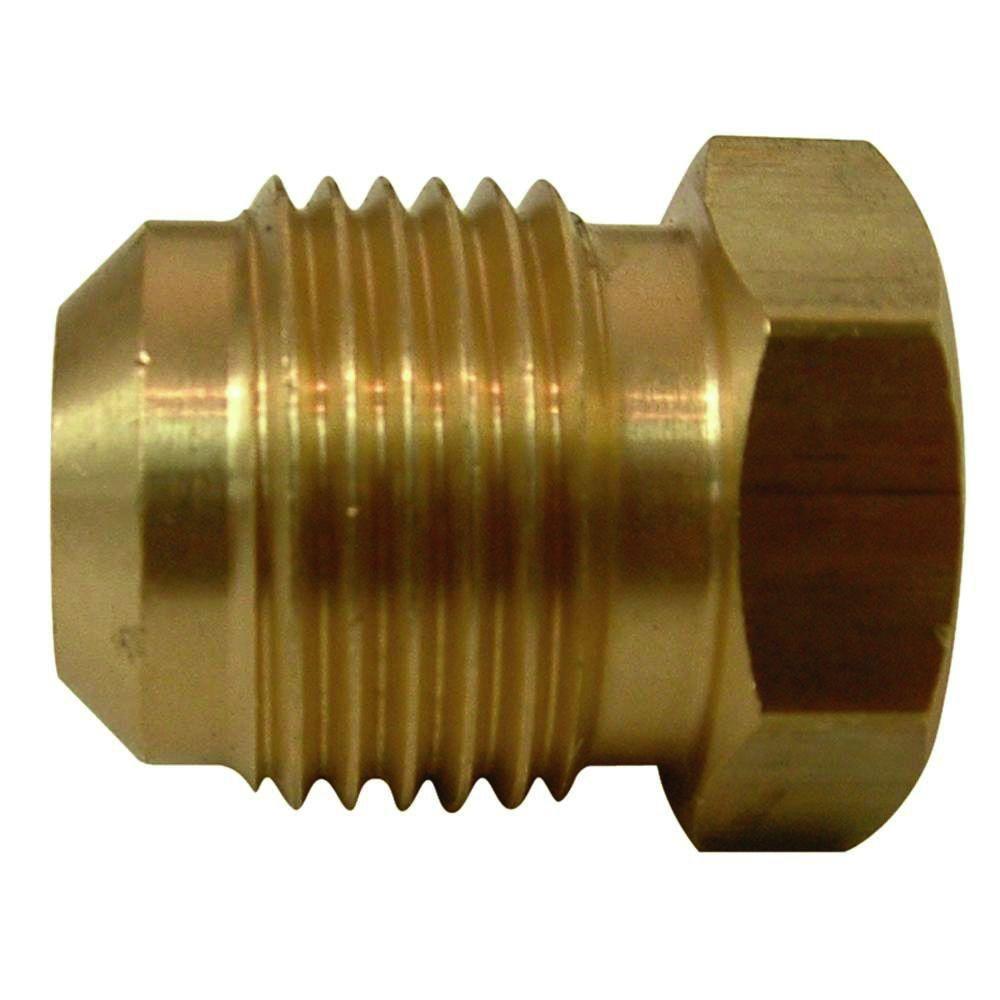
Tools you need besides the above are a 13/16" spanner or crowfoot socket (for the good flare nuts; cheaper ones take 3/4"). And IIRC it's a 5/8" wrench for the appliance side. You ALWAYS want a wrench on both sides of a joint so that the wrenches are taking the stress NOT the fittings.
So, if you look at your appliances, you will see that they come with a 3/8" male (coned) fitting on them. Then Chinook ran the copper tubing to the appliance, put the flare nut on the tubing, flared the end, mated that flared end to the coned fitting on the appliance, then tightened up the flare nut. Voila.
Under the rig is where any other joints are (as is proper, yay Chinook!). So, for example there is a main propane line running to the area right under the fridge (by the exhaust pipes for the engines). That line has a double fitting on it, then a separate line from each fitting. One goes to the stove, one to the fridge. This is proper as you don't want joints inside the coach, especially in behind things (except obviously you have to have one at the appliance).
So, options:
1) You can cap (actually, plug) the lines right where they (did) attach to the appliances. You would then want to support the lines accordingly. Before starting anything light the stove, then shut off the propane at the tank, then when the stove goes out SHUT OFF the burner (easy to forget). Now you can work on the lines. So for plugging a line you buy a 3/8" flare plug, then, using the two wrenches you disconnect the Chinook copper line and flare fitting from the stove's fitting, place the coned plug into Chinooks flare, and tighten the fitting. You can tighten a fair amount, but obviously don't strip anything. If there is a leak it will be slight and you can tighten it a bit more. Once it's stripped you have to start over. The stove's fitting, is, IIRC, under the burner area. You could do the same for the refrigerator (line comes in outside by the lower vent), furnace (line comes in along the aft side of the furnace, and the water heater (line comes in between driver's seat and forward side of water heater).
The plus of plugging is that it's easy, and you can easily put the appliances back. You don't have to make any flares or cuts (you re-use the Chinook ones). The downside is you still have this joint inside, and you may have lines that need to be supported (especially longer ones like the stove one). You can do this with cushion clamps, but it's still a consideration.
If you do plug like this (or with any joint), get it tight (but not stripped), then get a test solution ready (they make special goop, or you can use bubbly/soapy water). You would turn the propane back on at the tank (obviously don't have any open flames or sparks going) and then brush some solution or water on the joints. You are looking for leaks, which likely wouldn't be huge, but just little "wizzles." The trick if you use soapy water is distinguishing between naturally popping bubbles and the bubbles that indicate a leak. A leak is usually a steady popping of bubbles in one particular place on the joint (use a mirror if you need to to check all sides). If there is a leak, use the two wrenches and tighten a bit more. That typically takes care of it. Re-check. An aside: If you have a good nose, you will also be able to smell even a tiny leak. The odorant they add to propane is pretty unique.
2) You can cut back one of the lines (like say you wanted to put in a new stove and didn't need the line to be as long) but using a tubing cutter to cut it in the right place, putting the flare nut back on, then flaring the line and then on you go. If you are going to do this I would advise buying some extra tubing to practice on. You can look at Chinook's original flare to get the idea - mine were all nice and tidy. That still leaves a joint inside if you cap it for now. (But of course you already had all these joints inside at the appliances, so it's no more than that.) If you do this, take care not to get copper bits down into the remaining lines.
3) You can undo the fittings underneath the rig where they branch off for the tubing to come up through the floor, and plug them there.
4) Also, if you do plug the lines inside, if you are removing everything for now of course you can also leave the tank shut off at the main valve (but still plug the lines properly and test for leaks first).
As mentioned above, don't do anything you are not comfortable with; propane can be dangerous!

But then so can gasoline and tons of idiots fuel up every day. But you know what I mean: Don't do any of this is you are not comfortable with it (beyond a normal healthy discomfort you SHOULD have when working with any fuel or electricity), and not in the mood to be careful and methodical. There are a number of web pages and videos with tips as well. I just helped a friend remove his propane refrigerator plus put in a new line for a fireplace type heater and the RV manufacturer (not Chinook) did a sloppy job with the original installation. So much for the pros always being better (sometimes they are true pros of course).
 ). Then the fitting on the other side has a built in tapered cone type shape that matches the flare. You match up the cone to the flare, then pull the threaded fitting down and tighten it up. Voila, they fit together with no leaks!
  ):
):